Marriage in the village was not one thing. It was many things at once love and negotiation, romance and responsibility, celebration and sacrifice. There were two ways of getting married in our village, and each carried its own stories, traditions and consequences.
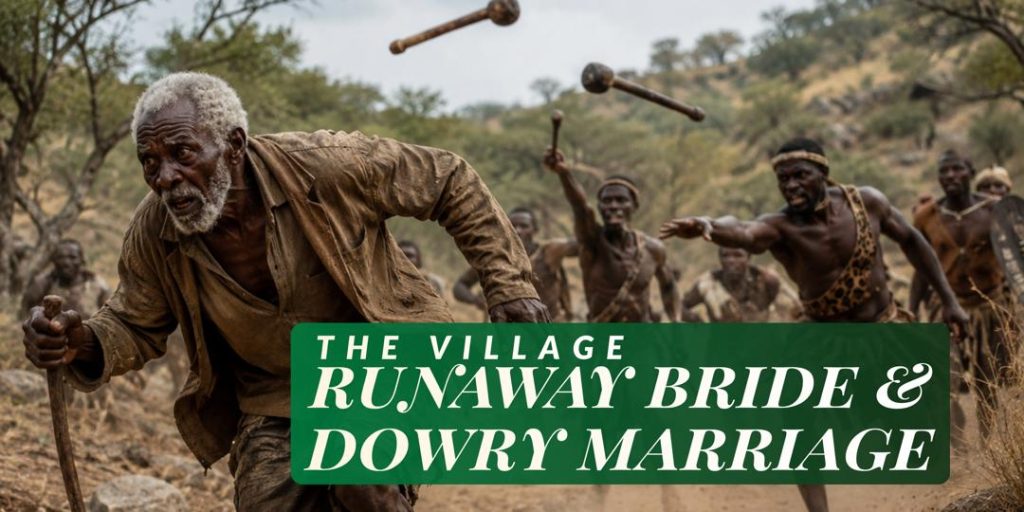
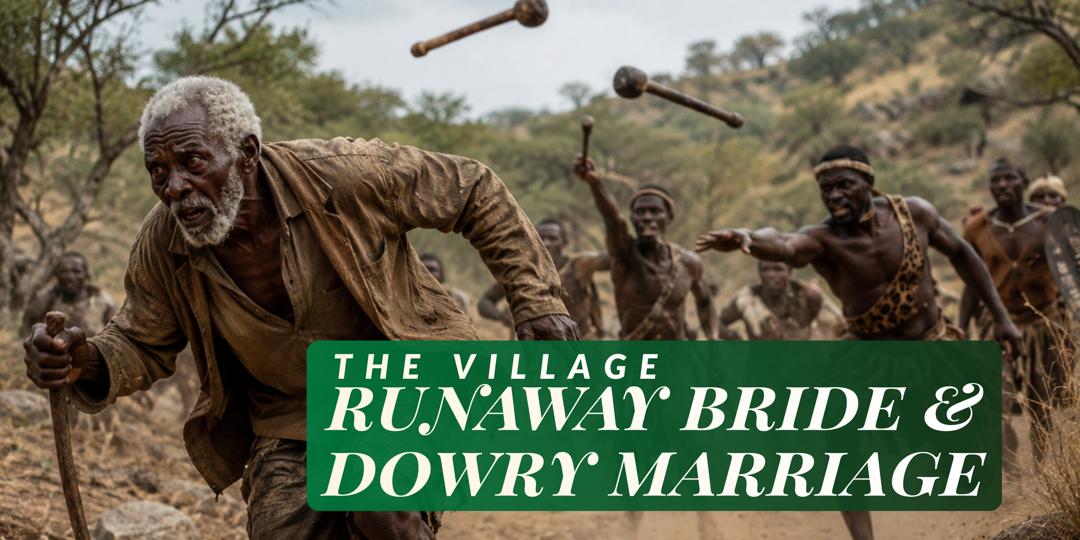
The first was called Hakilani Ngeno direct translation “look closely at ours”. It was the poor man’s wedding and the parents’ least favourite kind. When a young man could not afford the bride price, he and the girl would make a secret arrangement. Under the cover of darkness, while the village slept and dogs barked at passing shadows, she would quietly leave her parents’ homestead and disappear into the night. By sunrise she would be safely at her future husband’s home. Then came the dangerous part. A brave older man, usually someone respected by both families, would be chosen as the messenger. His task was simple: deliver the news and run for his life. Arriving at the girl’s homestead with dust rising around his feet, he would shout, “Hakilani Ngenoooooooo!” and announce, “Look for your daughter at ours!” The words barely had time to settle before chaos erupted. Uncles jumped to their feet, fathers grabbed knobkerries, brothers joined the pursuit, and the messenger sprinted away as weapons flew through the air behind him. It was the closest thing our village had to an Olympic event, and his success often depended entirely on how fast he could run.
Parents disliked this kind of marriage not because they objected to the groom, but because they understood exactly what it meant. There would be no dowry, no cattle, no negotiations and no gifts exchanged between families. Their daughter had effectively handed herself over to her husband’s family. For years afterward, mothers would shake their heads dramatically and lament, “That child robbed us of cows.” The statement was usually delivered with equal parts disappointment and humour, but everyone knew there was some truth behind it.
The second type of marriage was the one parents prayed for. It was the proper marriage, the respected marriage, the one that arrived with gifts, cattle, and honour. This process involved lengthy negotiations, serious discussions, and enough meetings to make modern corporate boardrooms seem remarkably efficient. Families gathered beneath ancient trees while elders sat in circles discussing the future of two families as much as the future of two young people. Pipes were smoked, throats were cleared, and conversations unfolded slowly and deliberately. Bride price negotiations often felt like international peace talks. Every cow mattered. Every goat mattered. Every agreement mattered. The groom’s family searched tirelessly for a bargain, while the bride’s family suddenly discovered their daughter possessed all the qualities of a queen, a doctor, a lawyer, and an angel combined. By the end, everyone was exhausted, but strangely satisfied.
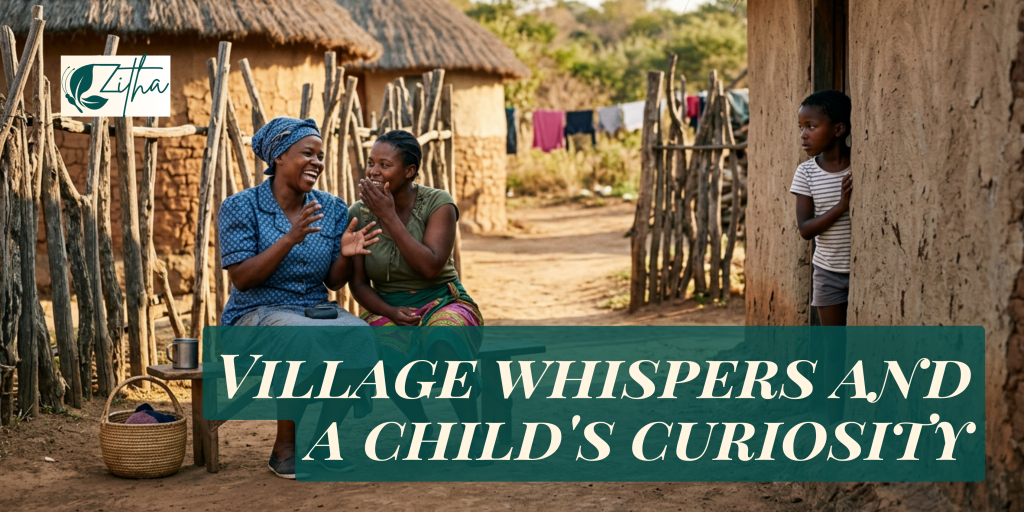
Marriage in the village did not begin with a diamond ring, a surprise proposal, or a carefully staged photograph for social media. It began with whispers. Aunties whispered. Neighbours whispered. Children whispered. Even the goats seemed to know what was happening. When a young man admired a young woman, there were no text messages to send and no social media accounts to investigate. Instead, his behaviour betrayed him. Suddenly he became very interested in fetching water from the river nearest her home. He volunteered to help in fields he had never noticed before. He developed a mysterious passion for attending community meetings where the young woman happened to be present. He would also start fetching water at a river near her compound. His mother noticed. His aunt noticed. The neighbours noticed. In truth, the entire village noticed. Before love had spoken a single word, the community had already analysed the relationship, predicted the wedding date, and named the future children.
Love was not rushed in the village. It was observed, examined and protected. The community understood something modern society often forgets, marriage was never simply about finding someone who made your heart beat faster. It was about finding someone who would still stand beside you when life became difficult. Under giant trees, elders asked questions that sounded old-fashioned but carried deep wisdom. Whose child is this? How do they treat people? Can they work? Can they respect others? What kind of family are they from? Character mattered more than chemistry. Reputation mattered more than appearances.
The bride received her own counsel. Grandmothers gathered around her like guardians of ancient wisdom. Their faces carried stories, and their eyes carried experience. Softly they would remind her, “My child, love is beautiful, but marriage is work.” Most brides smiled politely and nodded. Few fully understood. Wisdom often arrives years after the advice that could have saved us. The groom received instruction as well. Older men reminded him that being a husband was not about being admired. It was about responsibility, provision, patience, and character. A real husband, they taught, is not measured by the promises he makes on his wedding day but by the promises he keeps twenty years later.
Then came the wedding itself. Nothing prepared you for a village wedding. The air seemed to celebrate alongside the people. Smoke curled upward from giant cooking fires while the smell of roasting meat drifted across the village. Huge pots bubbled and hissed. Women laughed while stirring with wooden spoons the size of paddles. Children darted between adults like skilled thieves, stealing pieces of meat whenever they thought nobody was looking. Everyone saw them, but nobody stopped them. It was simply part of the tradition.
The women brewed traditional African beer while the men slaughtered cattle. Young people danced until the ground trembled beneath their feet. And then there was the singing. The singing was never merely performed; it was felt. It rose from somewhere deep within the soul. Voices blended into the warm evening air while ululations pierced the sky and laughter echoed across the hills. For a brief moment, the entire village became one heartbeat, one family, one celebration.
My favourite part was always the bride’s journey to her husband’s home. Dressed beautifully and surrounded by singing women, she walked proudly toward her new life. Yet every time the procession reached a river crossing, she stopped. Not one step further. The singing paused, the procession halted and negotiations immediately began. Money had to appear before movement could continue. If no money appeared, neither did the bride. She stood her ground patiently, elegantly and completely unmoved. As a child, I admired her tremendously. Imagine stopping an entire wedding procession and refusing to move until somebody paid you. That was confidence. That was power. That was business sense before business school.
I watched these weddings with wide eyes and a heart full of dreams. The singing was magical. The dancing was breathtaking. The bride looked like a queen, and the groom looked like a king. Everyone appeared happy. I thought marriage was simply a happily-ever-after waiting to happen. I did not yet understand that beyond the singing waited responsibility, beyond the dancing waited sacrifice, and beyond the celebration waited real life. The bride herself probably forgot it too. The music was too beautiful, the joy too overwhelming, and the moment too magnificent.
The celebrations often continued deep into the night. Nobody rushed away. Families spread blankets beneath the stars while children fell asleep in their mothers’ laps. Stories flowed as freely as the traditional beer. The moon watched over everything, and for one night, nobody worried about tomorrow. At dawn, the village stirred awake again. Fires were relit, breakfast was prepared, and before anyone could leave, they had to eat. Then eat some more. Then endure an aunt insisting they were still too thin. Village hospitality was not optional. It was law.
Today, weddings are often beautiful, elegant, expensive and perfectly photographed. Yet sometimes I miss those village weddings. I miss the dust rising beneath dancing feet, the smell of wood smoke drifting through the evening air, the old women singing until their voices became hoarse, and the elders sharing wisdom nobody truly appreciated until years later. Most of all, I miss the sense that an entire community was carrying one family’s joy.
Those weddings taught us something precious. Marriage was never meant to be a performance. It was meant to be a covenant not carried by two people alone, but supported by families, strengthened by community, protected by wisdom, and wrapped in the prayers of a village. Perhaps that is why, all these years later, I can still see those weddings as clearly as if they happened yesterday. I can still hear the singing, still see the dancing, and still watch that messenger running for his life after shouting, “Hakilani Ngeno!” And I still smile, because those weddings were more than celebrations. They were stories, and every village carried them. And after the wedding came the analysis , i
1. Preparation Prevents Desperation
The runaway marriage happened because the groom was not prepared to pay the bride price.
Life often becomes harder when we take shortcuts instead of preparing properly.
2. Character Outlasts Attraction
Feelings may start a relationship, but character sustains it through life’s challenges. Who you are will always matter more than how you appear.
3. Wisdom Grows in Community
The village understood that important decisions benefit from wise counsel and collective wisdom. We often see further when we allow others to help guide us.
4. Covenant Is Greater Than Celebration
The wedding lasted a day, but the marriage was meant to last a lifetime. True commitment is revealed after the music stops and real life begins.