The Village That Never Let Christmas Last Too Long
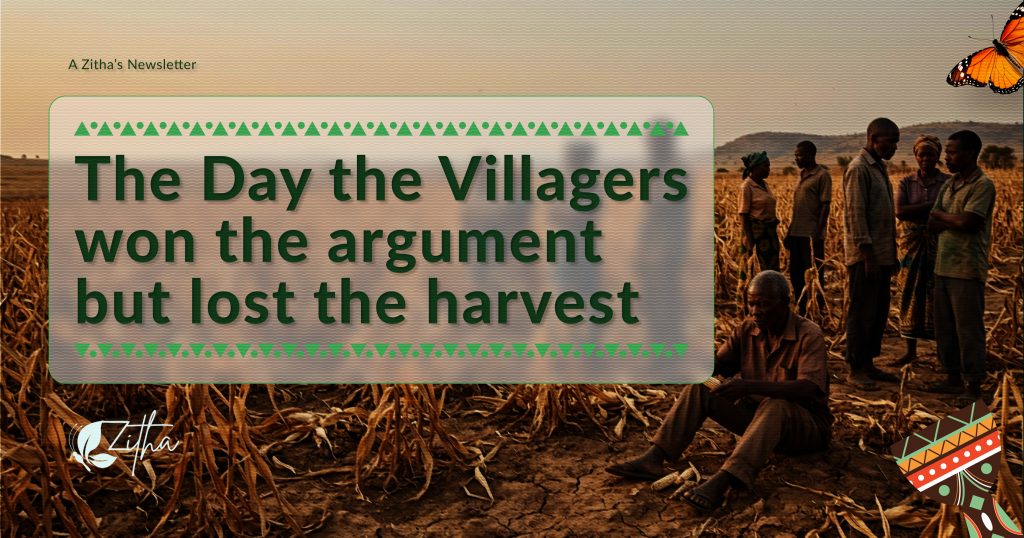
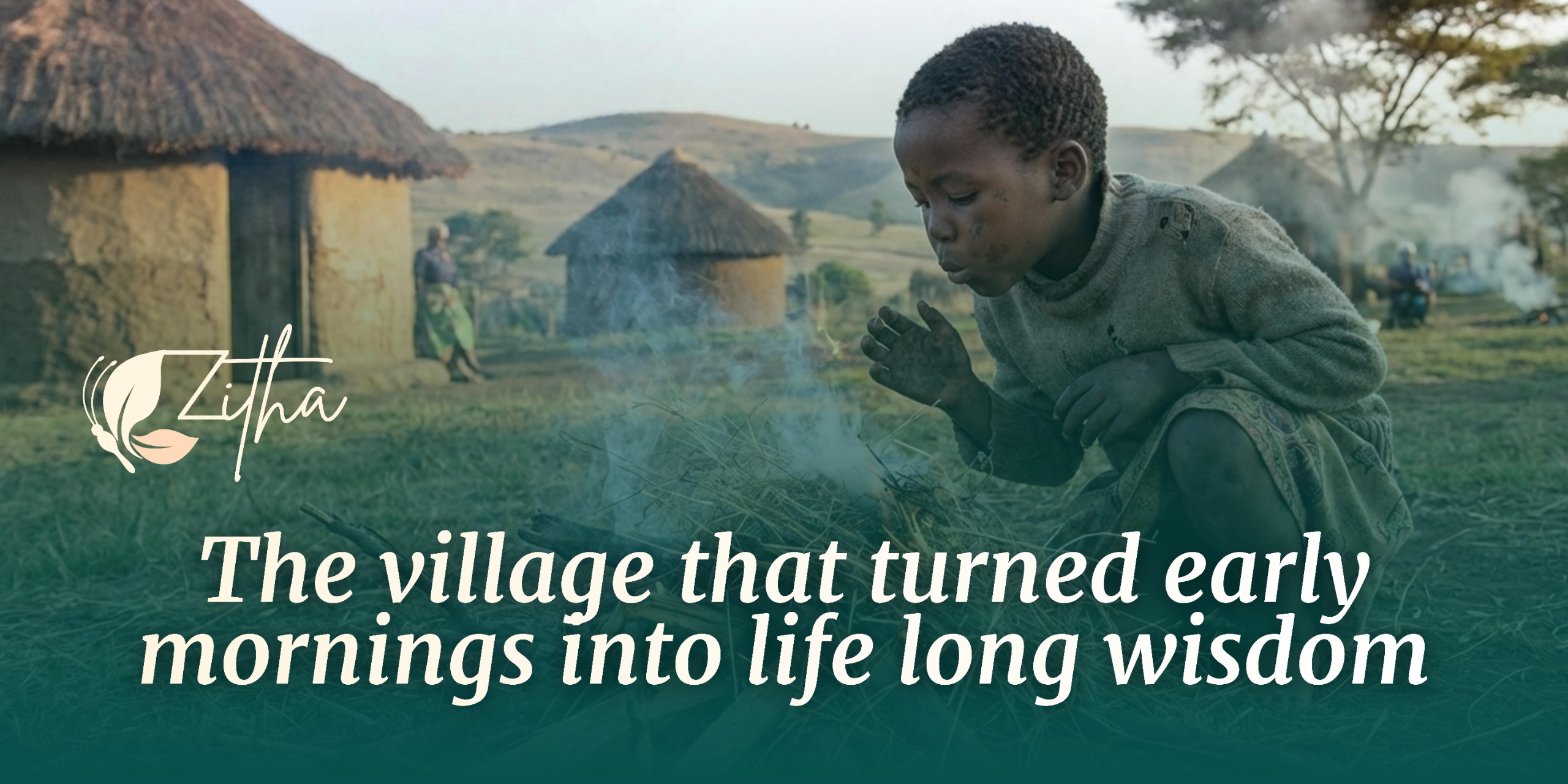
She woke us up earlier than usual, her voice firm but low, the kind that didn’t invite questions. Our mother did not care about Christmas week, that did not mean anything to her. Nobody dared to ask why, we’d all learned when silence was safer than curiosity. The air outside was still heavy with night, and the dew clung to our feet as we made our way to the fields. We worked in quiet rhythm, the sound of hoes striking the earth echoing in the dim morning haze. But as the hours passed, something felt wrong.
Instead of brightening, the sky grew darker, thick clouds swallowing the light until day seemed to turn back into night. The birds were not singing. Even the wind held its breath. We exchanged uneasy glances, but she kept working, eyes fixed on the ground as if she knew something the rest of us didn’t.
Eventually, the darkness thickened so complete, so merciless that even our own hands vanished before our faces. It wasn’t the soft, forgiving darkness of nightfall. No, this one felt alive dense, swallowing sound and sight until the world was nothing but breath and heartbeat. We stood there, our tools hanging limp in our small, tired hands, waiting for her to release us. Home was just a five-minute walk away. Five minutes to warmth, to rest, to safety. But my mother, that iron woman of mysteries and moonlight, shook her head.
“Sleep here,” she said.
On the moist cold earth.
If I could have stretched my cardigan any further, I would have wrapped it around the night itself. The ground was cold an unforgiving kind of cold that climbed through skin and muscle, curling itself around our bones. We huddled together, my siblings and I, our small bodies pressed close, our breaths mingling in the damp air. Anger bubbled quietly beneath our silence, a helpless, childlike fury we dared not voice.
Somewhere between shivers and sighs, the darkness loosened its grip, and the rooster’s cry broke through the stillness. “Wake up,” she said, though none of us had really slept. The ground had been too hard, too cold, too alive with whispers of the night before.
Then, as if to mock our suffering, the sun rose bold and golden, scattering warmth across the fields as though the cold had been nothing but a story we’d made up. I blinked against its brightness, and that’s when I saw it behind me, a line of peanut plants, limp and lifeless. My heart sank. I didn’t need anyone to tell me what I’d done. In the darkness, I had cut through the crop we’d spent weeks nurturing.
When my mother’s eyes followed mine, realisation settled on her face like a shadow. She didn’t need to ask. She knew.
“Didn’t I tell you to feel with your feet?” she snapped. “To guide the hoe around the plants?”
I wanted to cry. At nine years old, I barely knew how to guide my own sleep, let alone my feet in a midnight field.
My siblings bit their lips, shoulders trembling with the laughter they knew better than to release. The moment was grave, but I could already see it how this story would be told repeatedly, over fires and in laughter, how my foolishness would become legend.
That morning, beneath a forgiving sun, my anger melted into something else a memory etched in the rhythm of rural life, where lessons were learned through blisters and mistakes, where love wore the face of stern discipline, and where even the harshest moments found their way into laughter someday.
In that field of withered peanuts, I grew up a little and somewhere between my mother’s fury and my siblings’ stifled giggles, I began to understand that life in the village was a dance between hardship and humour, pain and grace, earth and laughter.
That morning, as we walked home dragging our hoes like defeated warriors, something unspoken passed between me and my siblings. You know that silent contract children make with nothing but eye contact and shared suffering? Yes, that one.
Right there, we made two solemn vows:
We would NEVER- EVER—wake our own children up early.
We would grow up, marry and move to the city where people woke up at human hours, not rooster hours.
We sealed the pact with dusty pinkie fingers, our faces set with the seriousness of children who believe they truly control their futures.
Even now, I sometimes wonder if my mother knew how angry we were at her that day and most days. Not the tantrum kind of anger, oh no, that would have earned us an extra shift in the field.
It was that deep internal monologue type of anger, the one where you’re digging the soil thinking:
“When I grow up, I will never let my children suffer like this. My children will sleep until the sun signs in at the office.”
But you can’t say that out loud when your mother is the unofficial village commander of discipline.
And yet…
She must have known. Mothers always know.
Maybe she recognised that brand of childhood rebellion the same rebellion that had shaped her when her own mother taught her the price of survival. Those that knew my Gran would say she had no time for nonsense.
Years later, as adults, we realised the truth:
Our mother wasn’t teaching us farming she was teaching us life.
She was shaping our backbone, our endurance and our grit.
We who swore never to wake our kids early, now we wake up before the sun voluntarily, with prayer, alarms, schedules, and responsibilities that make 4 a.m. look like a friend.
And if we’re being honest?
We are now raising children who roll their eyes at us the same way we once rolled ours at her (in our heads).
Life has a way of spinning the wheel and laughing softly as it returns to you what you once swore you’d never do.
Today, we couldn’t be more grateful for those dark mornings, those cold fields, those whispered complaints. Because beneath the frost, she planted something stronger than peanuts, she planted discipline, resilience, and the kind of wisdom that grows only in the soil of childhood hardship.
And yes, the story of me cutting the peanuts blind in the pitch-black night?
It still circulates at family gatherings, embellished now with dramatic reenactments and sound effects.
Apparently, I am the only one in recorded history who managed to harvest the crop before harvest season.
But that’s the thing about village life, your mistakes don’t stay mistakes.
They become stories and seasoning for the laughter that follows.
Four Take aways for Transformers
- Hardship now becomes wisdom later.
- What feels unfair in childhood becomes foundation in adulthood.
- Discipline may offend you in the moment, but it will defend you in the future.
- Every painful memory can become a powerful story, if you let it teach you.